Primetime (2026)
Spoiler warning. This review discusses plot details, including the ending.
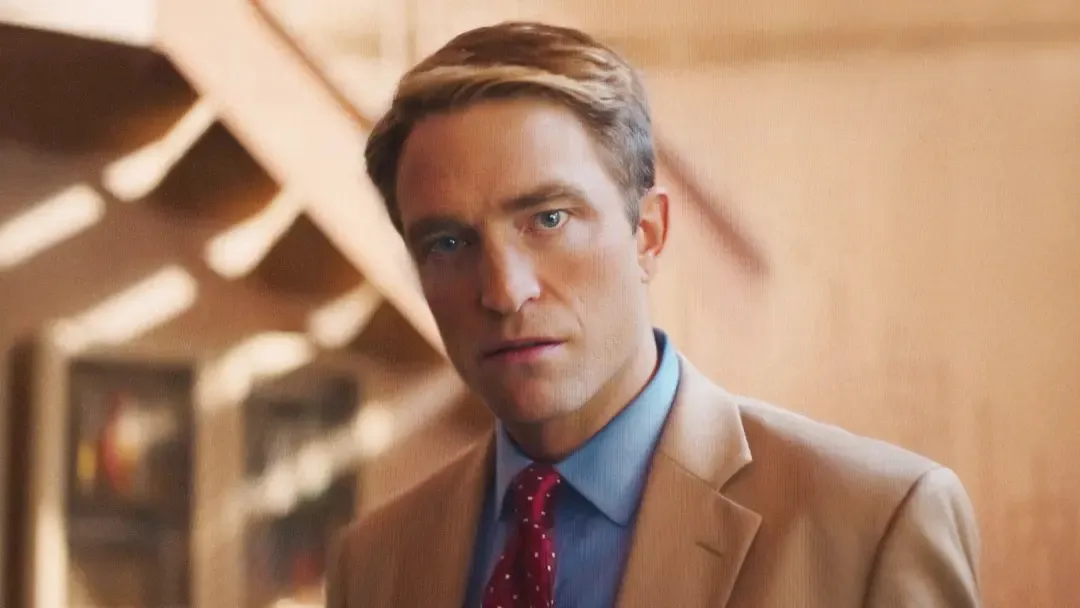
Primetime is the slot Chris Hansen (Robert Pattinson) covets, and Lance Oppenheim's film leaves little doubt he will pay any moral price to keep it. It's 2006, and Hansen's Dateline NBC strand To Catch a Predator is a sensation. With a team of producers, researchers and young-looking adult decoys posing as children online, he lures would-be abusers to a rigged house, confronts them on camera and lets the police do the rest.
In network news, ratings were the only currency that counted, and this semi-reality format is minting them. Soon Hansen is measuring himself against scripted prestige TV, vowing to outdraw Lost. The film follows him, and the decoys he dresses up as bait, as the stings grow bigger and the ethics murkier.
It's worth seeing, and Pattinson is excellent, but Primetime doesn't quite build on the heat of its trailer. It looks terrific and moves well. What it lacks, beyond the queasy thrill of watching predators caught, is a clear sense of the story it wants to tell.
Pattinson doesn't disappoint. His Hansen is a ruthlessly ambitious anchor, forever pushing the show's limits in pursuit of bigger audiences and more shocking catches. Vanity and conviction are so tangled in him that you can never be sure which is driving.
Skyler Gisondo is just as convincing as Dan Plum (affectionately renamed as decoy Dan by Hansen), the young actor hired as a decoy and loosely based on a real one from the show. The performance works; the character's logic is shakier. Five thousand dollars a show was good money in 2006 (& even now), but it's hard to believe it would keep most actors in post, given what Dan is asked to sit through. Even if true, more character work would have made it easier to buy. There are surely easier gigs to earn screen actors guild card.
The rest of the team fares less well. Merritt Wever's producer, Andie Bender, is underserved by the script, and the researchers working behind the scenes even more so. We learn little about what drives them, or what the work costs them. Aside from a small glimpse into the main researcher’s takeaway, solo, motel life.
As a first scripted feature, this is impressive work. Oppenheim made his name in documentary, with Some Kind of Heaven, Spermworld and now You Can See Everything, his Elizabeth Holmes film with Nathan Fielder. Here he sensibly avoids trying too many new things at once. The stings are shot much as a documentary would shoot them, and those instincts transfer well to fiction.
The retro look is the film's biggest hit. Oppenheim and his regular cinematographer, David Bolen, squeeze the image into a narrow, boxy frame, with black bars either side and a vignetted, grainy texture that drops you straight into the mid-2000s. Jonah Hill's Mid90s utilised a similar effect, shooting in 4:3 on 16mm to evoke the decade's skate tapes.
Calling the noughties retro feels alarming. Then a flip phone appears, with no iPhone in sight. Never mind that clamshells are back, courtesy of Samsung's Galaxy Z Flip 8 & Apples soon to be released rival flip phone; reminding you trends are cyclical. More than period dressing, the pillarboxed frame boxes the audience into the same blinkered view as the characters.
The sound earns its place too. Ari Balouzian's score tightens the closer Hansen gets to hooking his targets, then pulls away just as each gotcha lands.
Structurally, Primetime is sound. It's well paced, if 20 minutes longer than it needs to be, and it holds you from the first scene to the penultimate one.
The trouble is what it's holding you for. The initial pull is the shock of the stings, material that countless true-crime documentaries have already mined. Beyond that, you're left asking what story the film is actually telling, and whether it's worth your time to find out. Sadly.. not really.
The characters are thinly built, which may be the point. This is a film about a show that cared less about its story than about whether it sold. But it leaves little to hold on to once the cameras stop rolling.
Fans of crime documentaries, and of the original show, will find plenty here, and a big audience will no doubt turn up. For Oppenheim, it's a safe and sensible first step into fiction, and Pattinson and co are on strong form. Anyone hoping for real depth of character may leave wanting more.